Why it can work
The shorter crown layers create volume at the root, which is what gives medium-length hair a textured outline instead of hanging in one sheet. That is a haircut change, not a guaranteed match for every face.
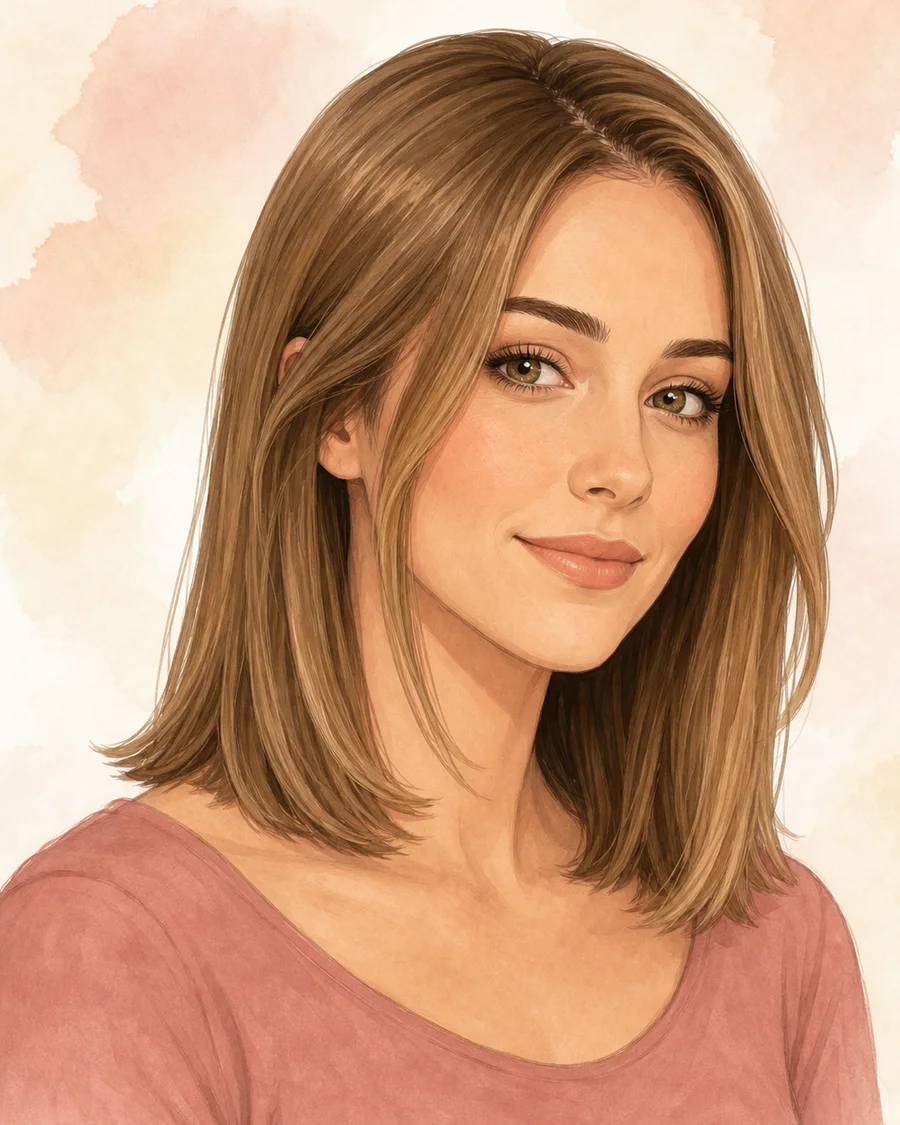
 AI-generated style example · Front24
Fall texture, still a haircut
A shorter, layered crown with an open face frame and a longer, broken perimeter — the lived-in layers people reach for in cooler weather, without turning the cut into a costume wig.
Start a free preview
Upload one clear selfie and compare the same three directions on your own face. Your first Safe Match preview is free.
The shorter crown layers create volume at the root, which is what gives medium-length hair a textured outline instead of hanging in one sheet. That is a haircut change, not a guaranteed match for every face.
Works across straight, wavy, and curly hair when internal weight is adjusted — a texturizing spray and finger-styling usually show the broken layers. Fine straight hair can look stringy if too much weight is removed.
Medium upkeep — the crown layers need a refresh every 6–10 weeks to stay choppy rather than grown-out, with 5–15 minutes of daily styling. Plan for product; air-dried and smoothed versions read as different cuts.
The shape depends on visible texture and separation, so flattening it completely hides the layering. Face-framing pieces that sit at the cheeks can add width; confirm the shortest dry point before cutting.
Fall texture, not a costume
Cooler-weather feeds keep reaching for broken layers. This page maps that trend onto HairFit's existing Soft Wolf Cut: a shorter crown, an open face frame, and a longer, separated perimeter. It is a haircut with visible texture — not a Halloween wig, a celebrity replica, or a promise that the shape will suit every face.

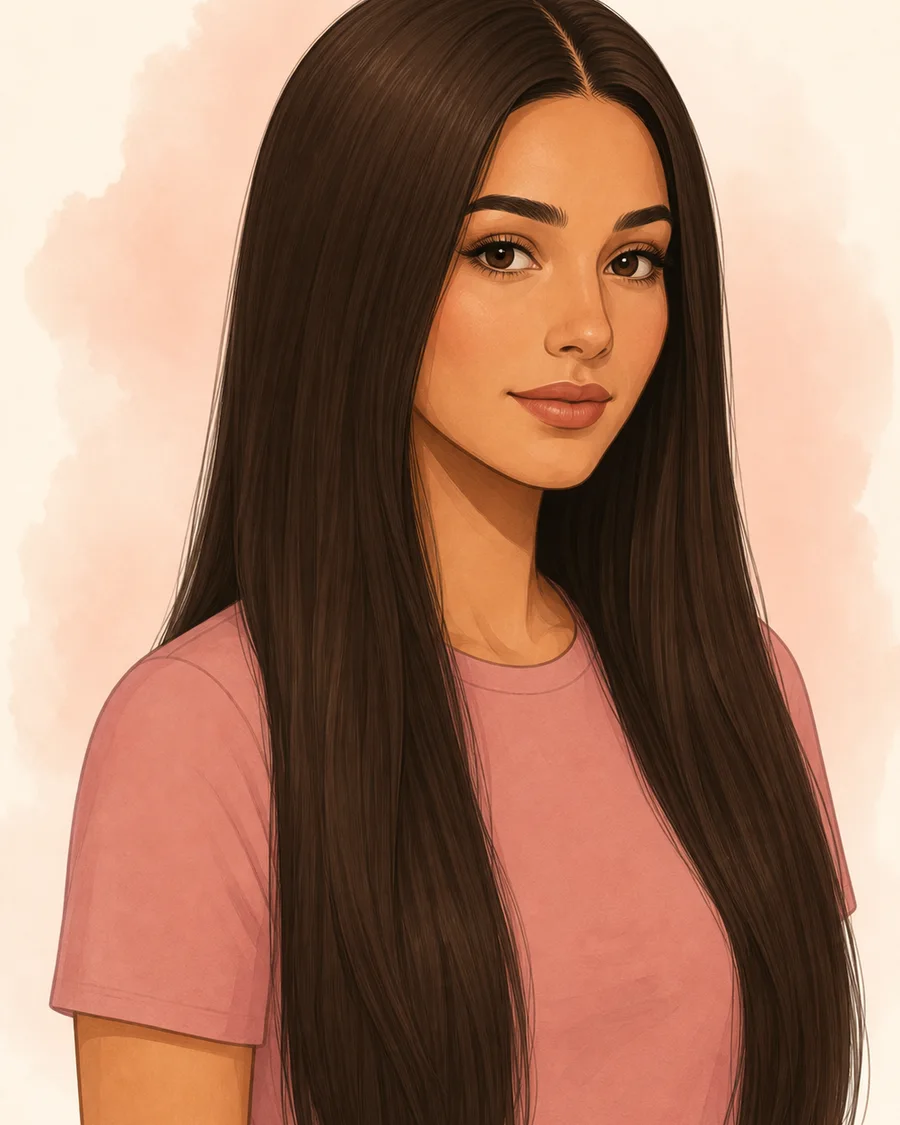
AI-generated illustrated example · same drawn person, not a customer photo or a guaranteed salon outcome
Take these notes to the chair. They describe a visual direction and the questions still open. They are not a technique command.
Side and back views are AI-inferred construction references from a front illustration, not exact predictions of your profile. HairFit does not guarantee fit and does not sell celebrity-same-cut results.
No. This page can show a visual direction and the upkeep it usually asks for. Face shape, density, growth pattern, and current length still have to be confirmed in the salon. HairFit does not guarantee fit.
No. Seasonal feeds often show broken layers in cooler weather. This page maps that texture onto HairFit's existing Soft Wolf Cut — a shorter crown, an open face frame, and longer separated ends — not a costume wig and not a celebrity replica.
Use it as a Cut Card starting point: length, layers, fringe, texture, maintenance, and questions. The side and back views are AI-illustrated construction references from a front portrait, not exact predictions of your profile or head shape.
Change one decision at a time.